Learning doesn't fail because people stop caring, it fails when support disappears.
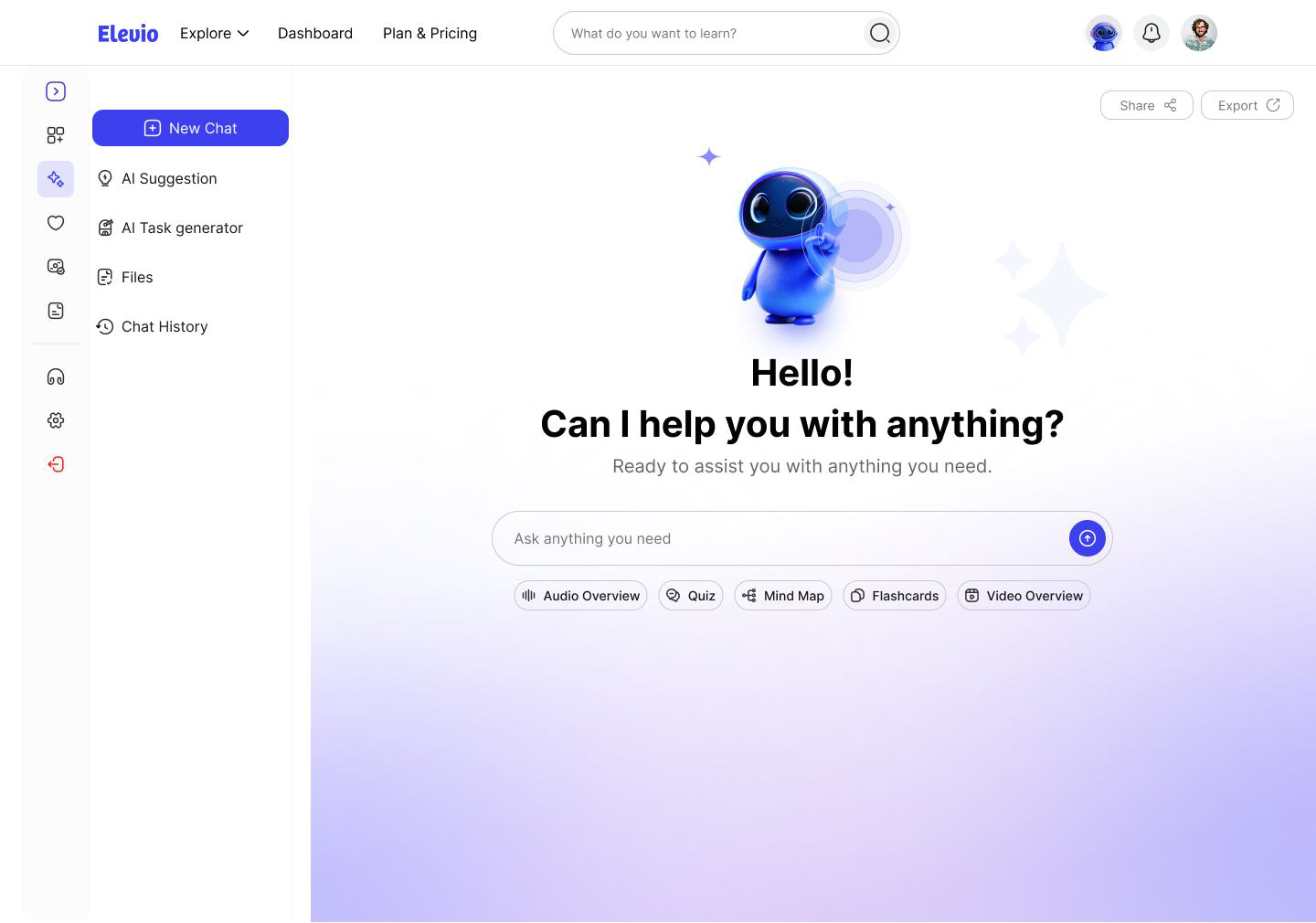
Elevio is an AI-powered e-learning platform that reduces learner drop-off by placing a mentor right inside the learning journey, real-time, personalized help through an interactive AI assistant.
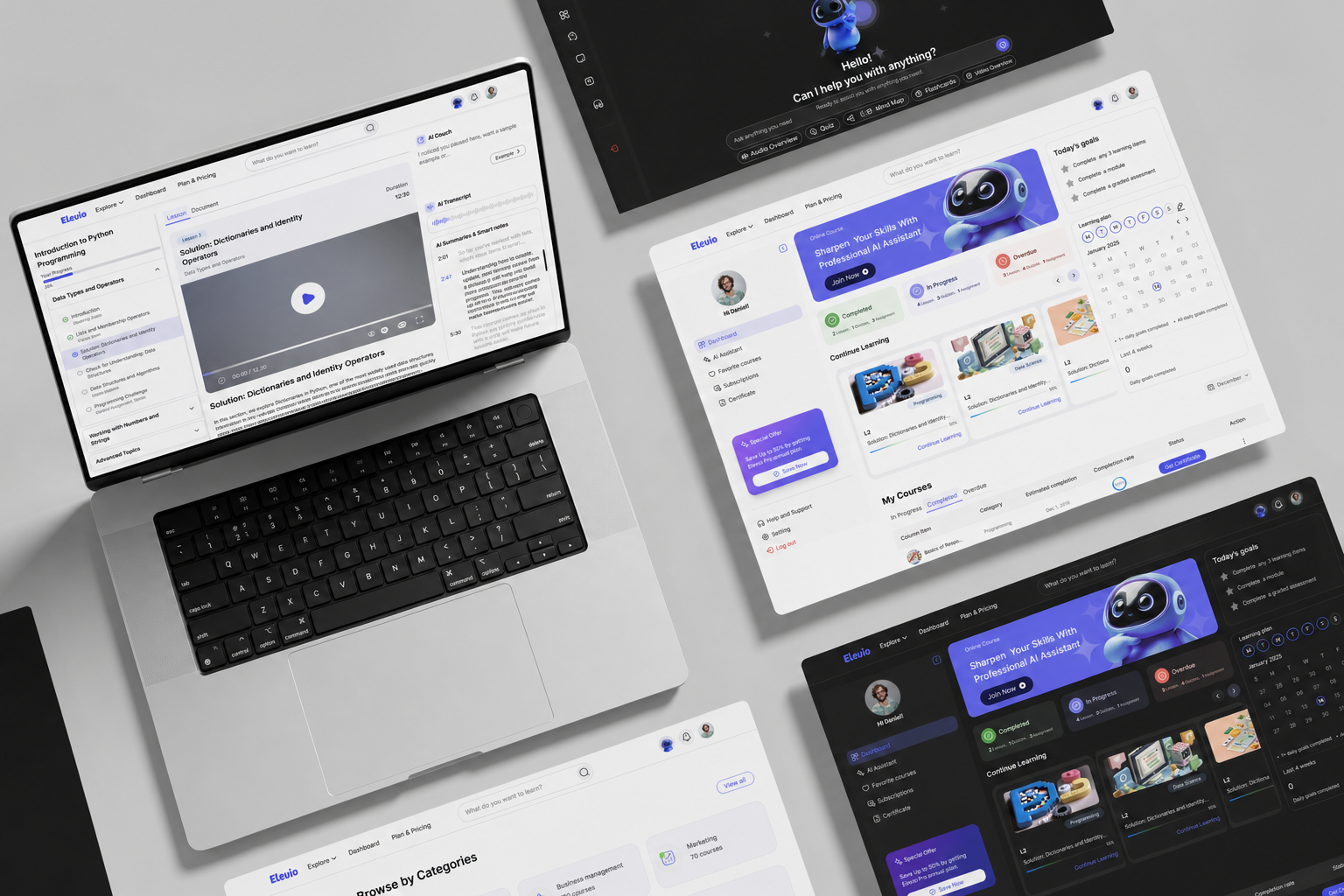
Pick a screen, the mentor stays with the learner across all of them.
Most online platforms focus on delivering content, not supporting the person learning it. Learners feel lost, unmotivated, and unsupported, and quietly drop off. Elevio embeds an AI mentor that guides users before, during, and after each course: choosing the right one, understanding hard concepts, tracking progress, and staying motivated, like having a human mentor, at the scale of software.
A SaaS learning platform with expert-led courses supported by an AI mentor.
Learners abandon courses from lack of guidance, delayed feedback, and low motivation.
Keep one context-aware mentor present from course discovery to the lesson itself, instead of sending learners to a separate help area.
I used generative research to move beyond the broad label of “low engagement.” The aim was to find where uncertainty enters the learning journey, what people do when support is unavailable, and which forms of guidance feel useful rather than intrusive.
Learning behaviour, motivation, and course-completion patterns.
Discovery, lesson support, progress, and feedback patterns.
Semi-structured conversations about choosing, struggling, and returning.
Recurring signals grouped into needs, breakdowns, and opportunities.
Research scope: Generative research shaped the problem definition and product direction. It was not a large-scale measure of completion impact.
I reviewed the learning journey rather than comparing feature counts. Existing patterns often handled individual moments well, but rarely connected course choice, in-lesson help, and return-session guidance.
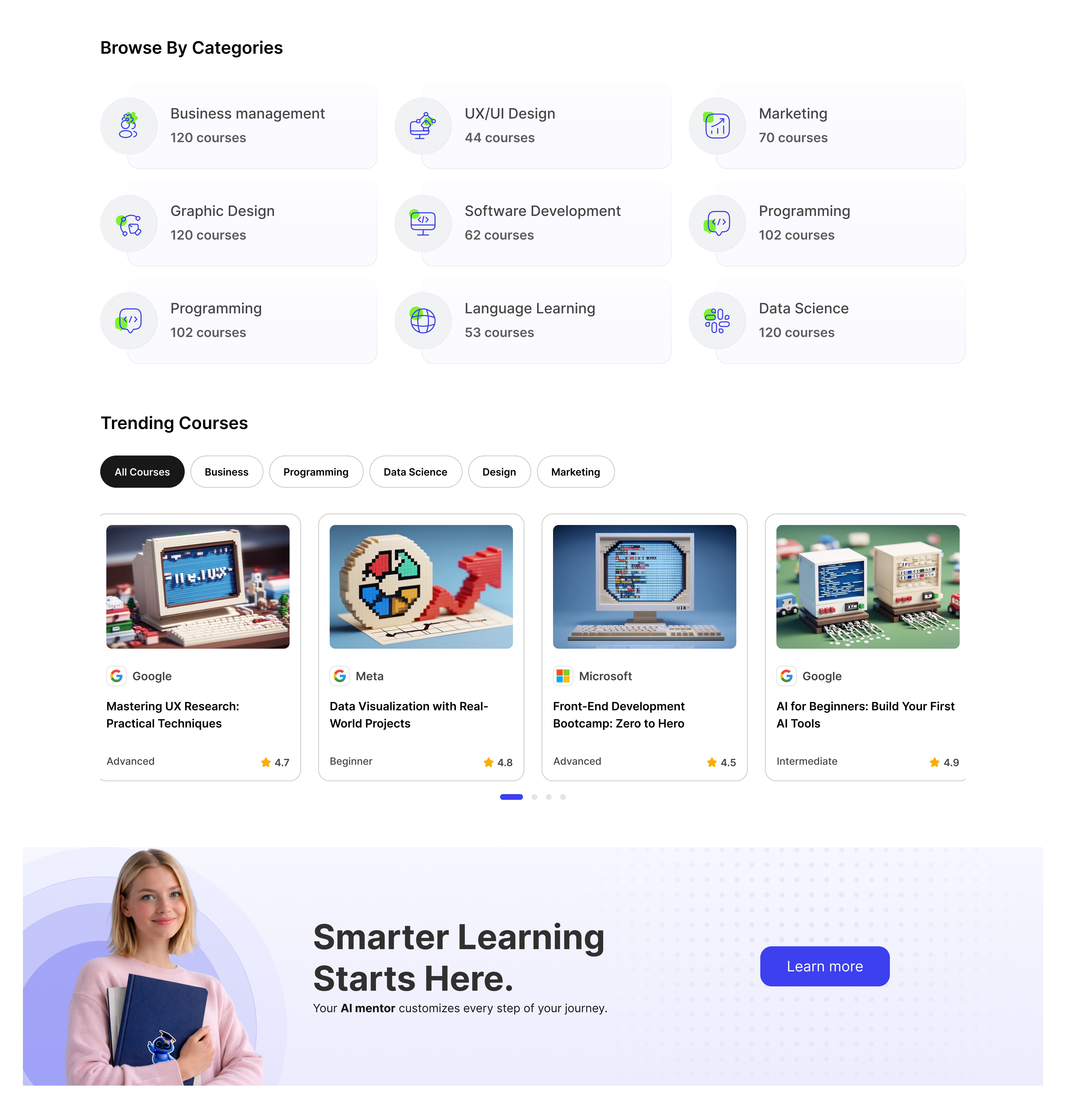
Filters support browsing, but learners still judge relevance, difficulty, and fit alone.
Modules create order, but confusion can send learners to another tab or source.
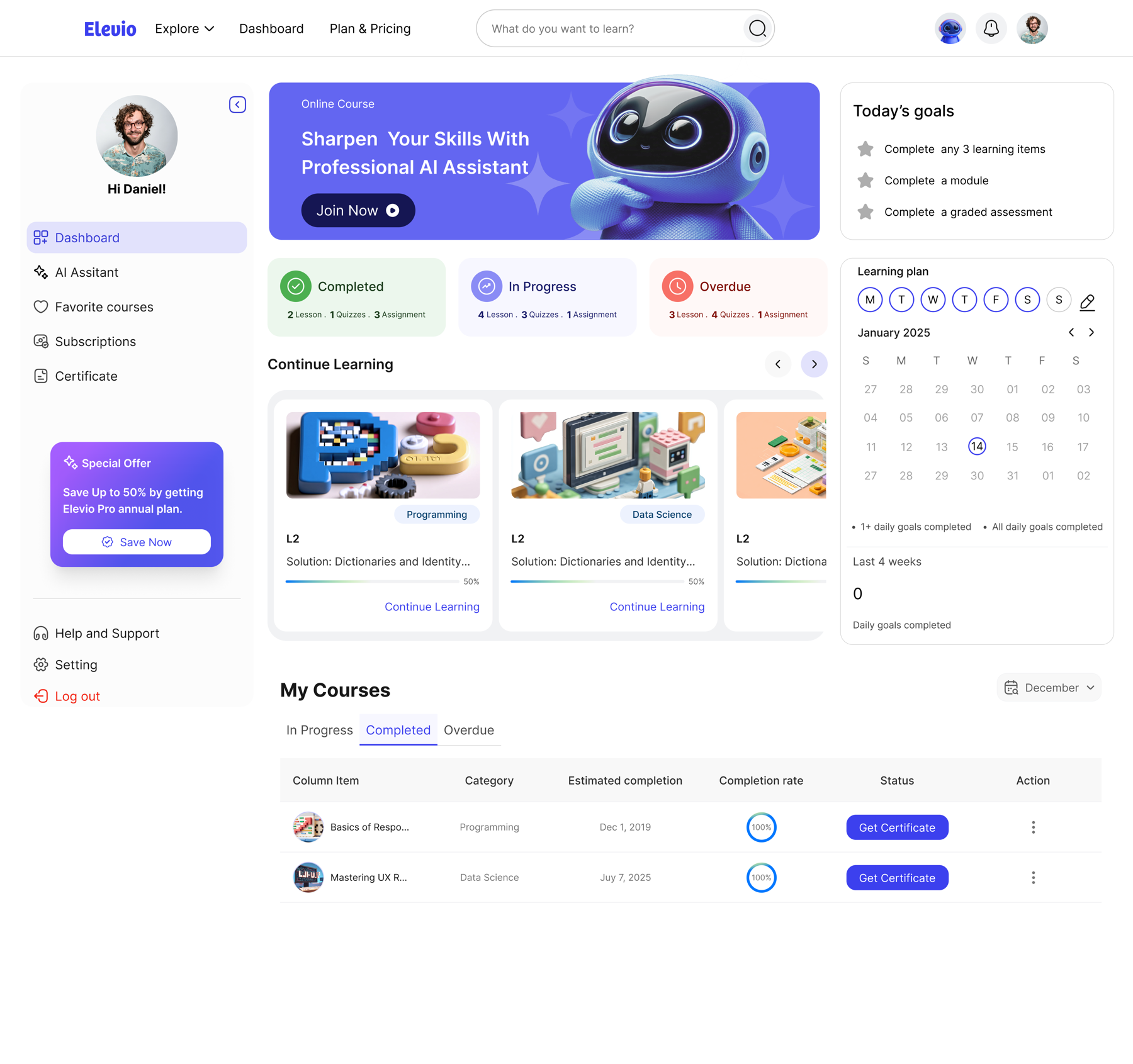
Percentages record what happened without always clarifying the next useful action.
Forums, FAQs, and generic chat often lack the context of the current lesson.
The research shifted Elevio from an e-learning platform with AI toward a continuous guidance system.
Learners evaluate relevance, difficulty, time, and expected outcome at once. A large catalogue can increase uncertainty.
When clarification requires searching elsewhere, learners lose both lesson context and momentum.
A percentage can show completion while leaving the learner unsure what to resume or prioritize.
Help feels useful when available and specific, but intrusive when it interrupts or takes over the task.
I framed the experience around three moments that can break a self-directed learning journey.
A large catalogue creates more comparison, but not necessarily a clearer next step.
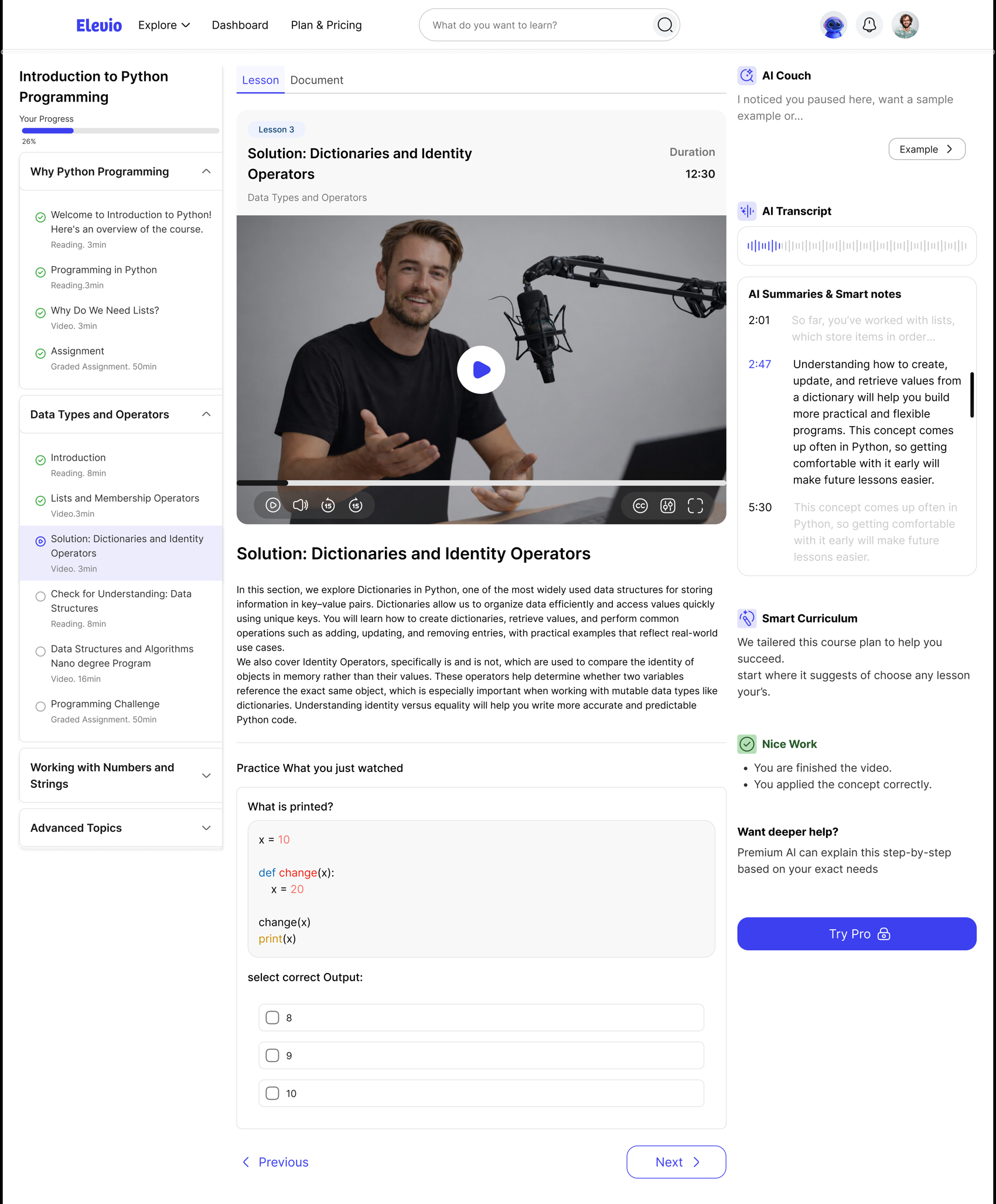
A difficult concept becomes an exit point when useful help lives outside the lesson.
Returning learners need to know what changed, where they stopped, and what to do next.
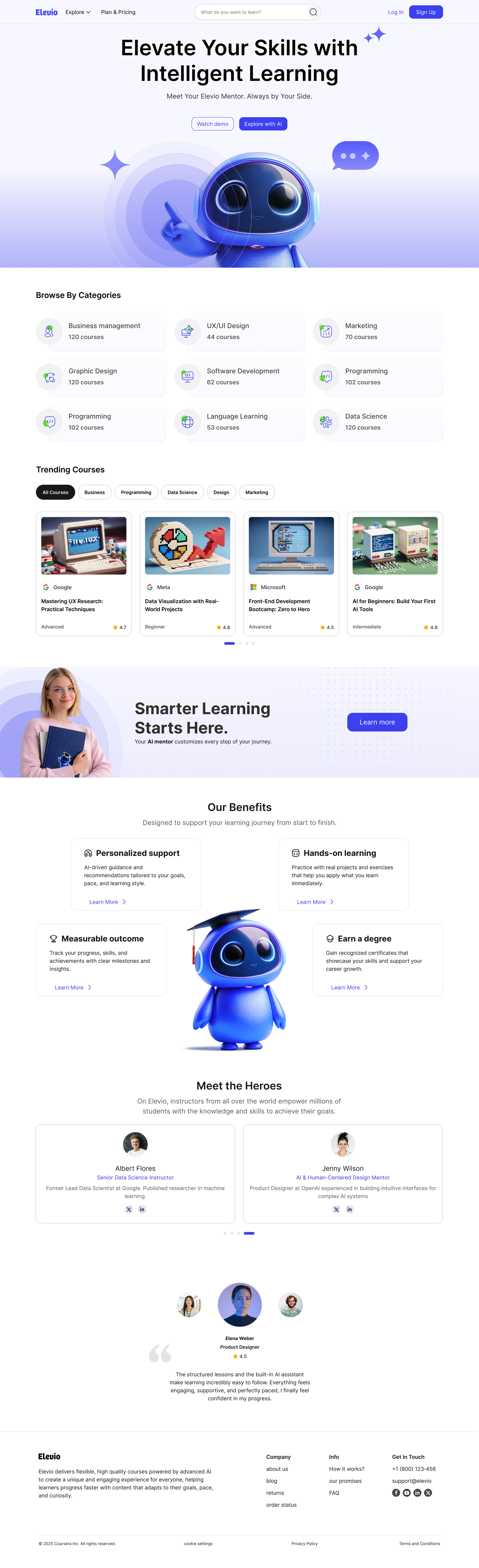
Each surface answers a different question, while the mentor carries the learner's context forward.
Course cards make level and direction easier to scan before committing.
The dashboard turns progress into a short, visible next action.
Context-aware help stays beside the lesson, so asking does not interrupt learning.
Progress, notes, and recommendations rebuild context after time away.

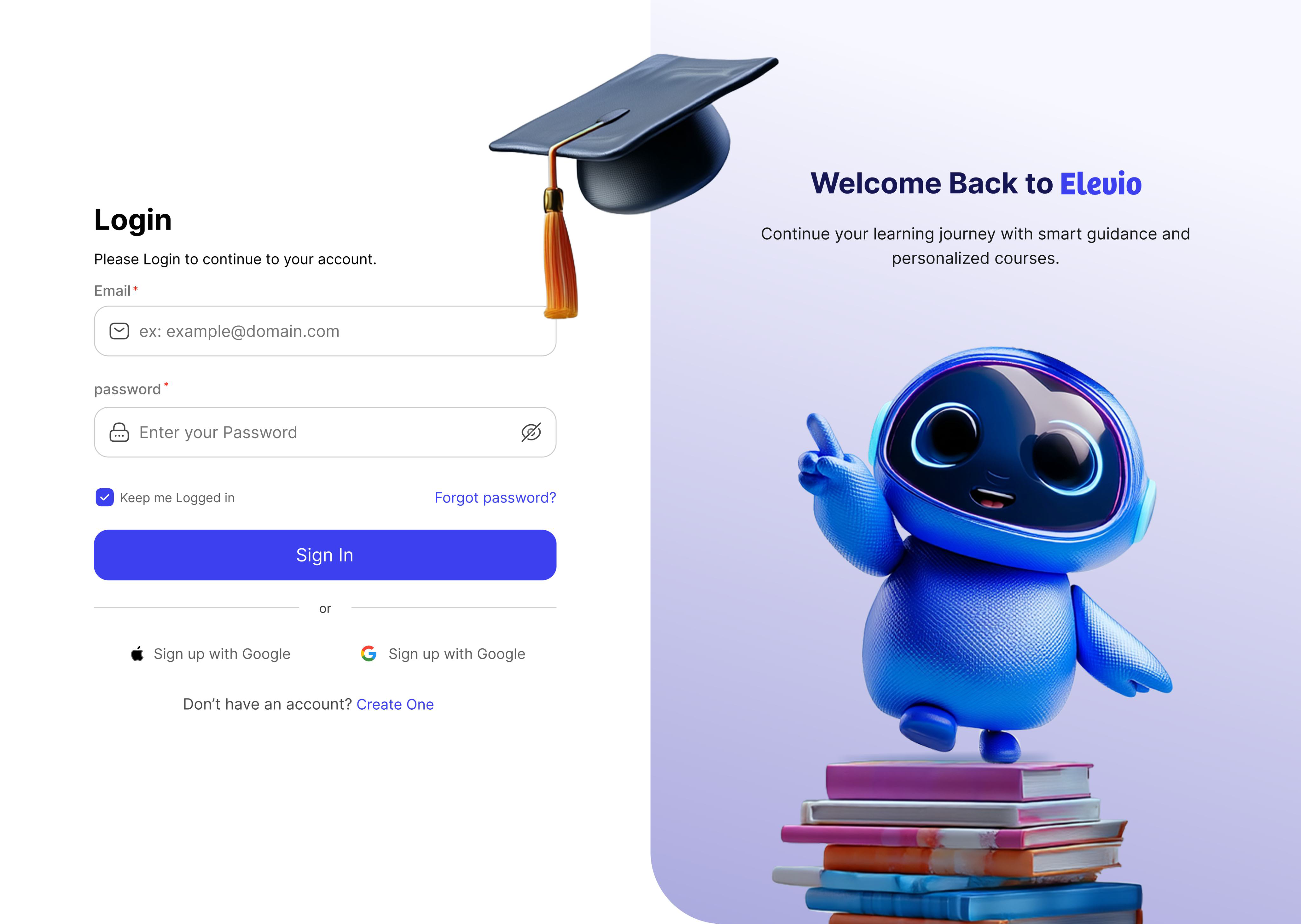
To create presence and emotional engagement, making the mentor feel like a companion, not a generic chatbot.
Click any screen to zoom.